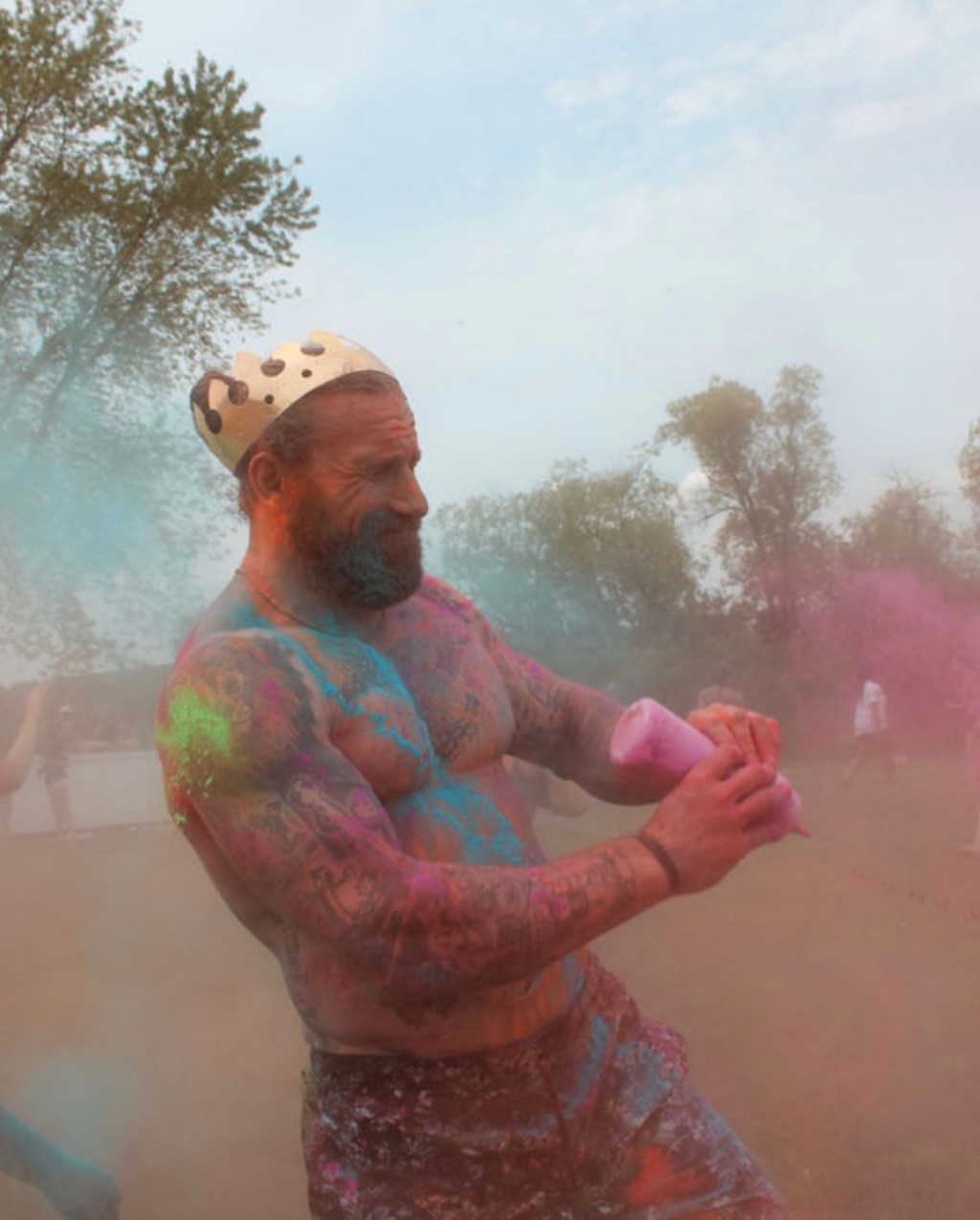
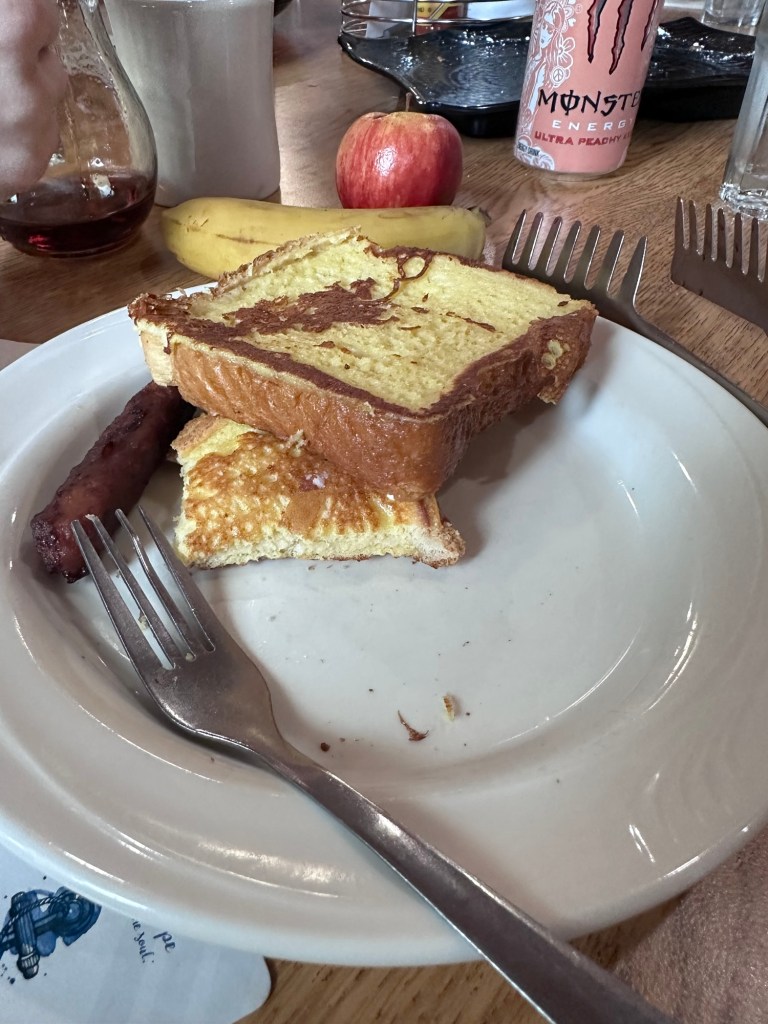
What is it about trees, open land, a pile of pancakes, a dining hall with a modern, cabin-esc vibe, basketball courts and highly weathered balls, not to forget, the ever-humbling Pickleball court that turns even the proud into the breathless… that makes it all feel so magical?
No, this isn’t just any campsite. This is church camp.
And yes—I’m 39 years old. I know. Church camp isn’t just for teens with underdeveloped frontal lobes. It’s for grown adults with student loans, aging knees, and deep questions about meaning, suffering, and why camp mattresses are still apparently made from recycled plastic cups.
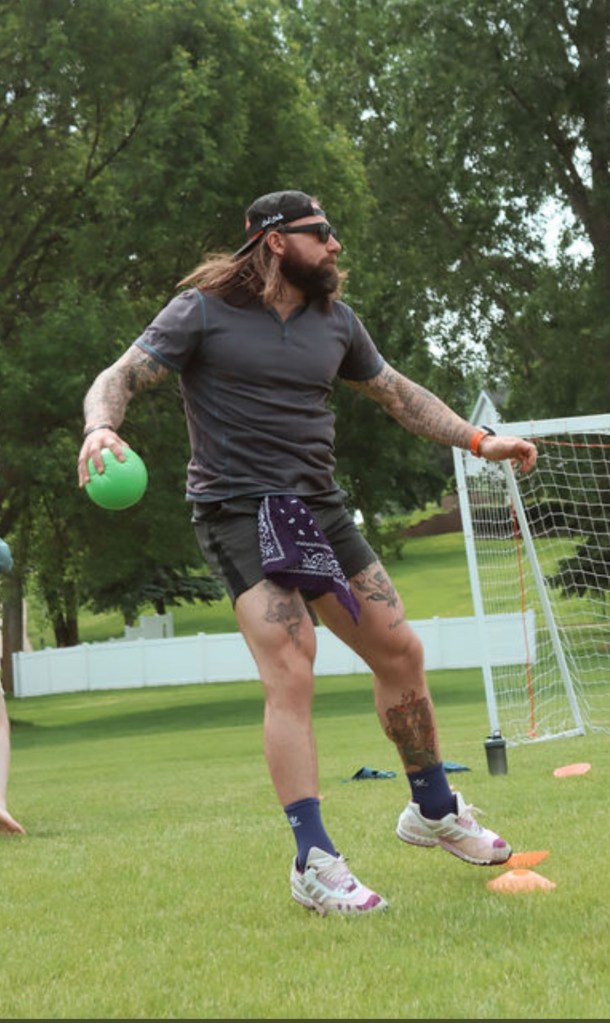
At first glance, it’s a recipe you wouldn’t expect to nourish the soul: communal sleeping with nine other guys, unreasonably early mornings, and food so rich and hearty it feels like we’re dining with medieval royalty (minus the beheadings, plus a lot more cheese). And yet, somewhere between the 16-hour days, the constant change of sweaty clothes, and the silverware I didn’t have to wash, I remembered something.
Every day had rhythm at camp: morning and evening worship services, time carved out for silence and scripture, group discussions about faith—where it’s lived, where it’s lost, and where we’re still fumbling in the dark. But it’s not just the programming. It’s what happens when we step outside the script of “real life” and into something slow, and never ending.

Be honest: our daily lives are designed to distract us from ourselves. We march through schedules, crush goals, pay off student loans (until the end of time), scroll endlessly, and quietly wonder, “Is this it?”
But camp—the right kind of camp—brings you face to face with your own soul. You can’t outrun it out there. There’s nowhere to hide when you’re sitting around a well-crafted cabin table, under a star-pierced sky, holding a thermos of Minnesota’s finest tap, and realizing how long it’s been since you actually felt still.
One of the biggest things I see as a therapist?
People are disconnected from themselves.
Not the version they present to the world. Not the curated personality or the productive employee or the “good” parent. I mean the real them. The one that’s still under there somewhere, buried beneath bills and burdens and the belief that if we just push hard enough, we’ll eventually feel okay.
But here’s the catch:
We don’t know why we do what we do.
We think we know. We tell ourselves stories.
But often, those stories aren’t true.
That’s why reflection—real, sometimes uncomfortable reflection—is so important. Because if we don’t pause and reassess, we wake up one day bitter, cynical, and convinced that the best parts of life are behind us.
Being with middle school through high school students this past week reminded me what it was like to be joyous and live in the moment. They had within them a camaraderie that we often don’t find in the routines of everyday life. These students had each other and they had, well, connection.
Connection, especially the kind that touches the deepest part of our being, is what we were made for. Not just connection with people (though that’s crucial). But connection with God—the Creator who sees through all our layers and still longs to be close.
And when we don’t connect with Him?
We find substitute relationships:
– With our careers
– With approval
– With achievement
– With control
But those things will fail us, sooner or later.
They make terrible gods and even worse friends.
Yet life isn’t shallow. Not at all. It’s deep and eternally significant. Every moment. Every choice. Every quiet ache.
The tragedy is not that life lacks meaning, but that we rarely stop long enough to see how meaningful it actually is.
And no, you don’t have to be at a camp with creaky bunks and bug spray in your hair to realign. You can pause for five minutes between Zoom calls, or in the carpool line, or right before you open another Microsoft Word doc, and simply ask:
“What’s really going on in me right now?”
“What do I want to be about today?”
“God, are You near—and am I listening?”
If you do that daily—even just for a week—you might be surprised. You might start to see your life with fresh eyes. You might remember that you are more than your resume, your obligations, or your debt-to-income ratio.
Because here’s the truth:
You can’t have a great marriage without effort.
You can’t be a great athlete without training.
And you can’t cultivate a soul without intentional time with the One who gave it to you.
From where I stand, the greatest lack in most people’s lives is not time, not opportunity, not intelligence, or even love.
It’s spiritual disconnection.
From God. From truth. From themselves.
But the good news?
You can reconnect.
Right now.
No reservation needed.
And maybe—just maybe—that’s where the real magic begins.
 From Where I Stand
Leave a comment